Walgreens began in 1901 as a single, tiny drugstore in Chicago, Illinois, and its most explosive early expansion occurred during the Prohibition era of the 1920s. By legally dispensing prescription whiskey for medicinal purposes, Walgreens expanded from 20 stores to over 500 locations across the United States.
In the decades following World War II, Walgreens pioneered the modern convenience-led pharmacy model that shapes the industry today. The company transitioned its traditional storefronts into self-service formats during the 1950s and later introduced drive-thru pharmacies to accommodate suburban lifestyles.
In 2014, its corporate landscape shifted through a massive 2014 merger with European retail giant Alliance Boots. This historic alliance created Walgreens Boots Alliance, solidifying its current footprint as a global healthcare, pharmacy, and retail leader.
But these days Walgreens is shutting down its stores — continuing with this process in 2026.
According to Inc.com, the pharmacy chain is moving forward with a multiyear plan to reduce the number of stores it operates. The goal is to focus on its most profitable locations while cutting costs.
The closures go beyond neighborhood drugstores. Walgreens has also shut down some larger facilities, including a nearly 500,000-square-foot distribution center in Houston.
Even after the recent closures, Walgreens remains the second-largest pharmacy chain in the United States, with more than 8,500 stores still in operation.

Walgreens stores that have closed in 2026
California
- 1301 Market Street, San Francisco, CA 94103
Florida
- 12041 Palm Beach Boulevard, Fort Myers, FL 33905
Illinois
- 2351 E. 71st Street, Chicago, IL 60649
- 8628 S. Cottage Grove Avenue, Chicago, IL 60619
- 5503 E. State Street, Rockford, IL 61108
- 108 Wilmot Road, Deerfield, IL 60015
Missouri
- 11404 St. Charles Rock Road, Bridgeton, MO 63044
- 2202 Chambers Road, St. Louis, MO 63136
New York
- 120 Court Street, Brooklyn, NY 11201

South Carolina
- 1294 Ribaut Road, Beaufort, SC 29902
Texas
- 1805 Greens Road, Houston, TX 77032
Virginia
- 1301 S. Joyce Street, Suite D3, Arlington, VA 22202
Washington
- 2400 S. Jackson Street, Seattle, WA 98144
Washington, D.C.
- 1815 Connecticut Avenue NW, Washington, DC 20009
Wisconsin
- 2727 W. North Avenue, Milwaukee, WI 53208
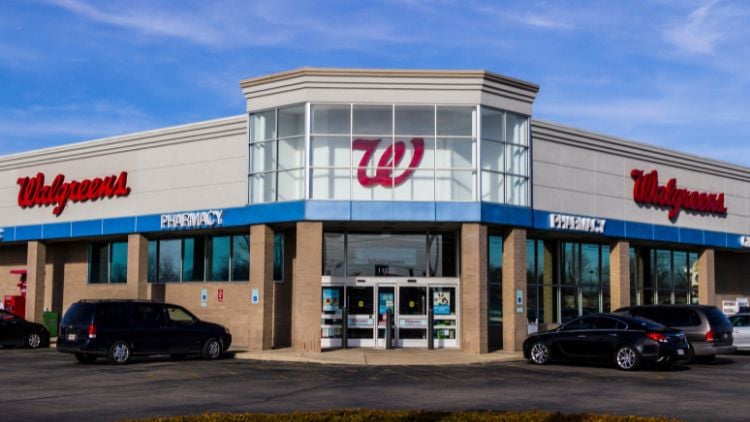
Walgreens is one of the oldest and most recognizable pharmacy chains in the United States. The company was founded in 1901 by Charles R. Walgreen Sr., who opened a small drugstore on the South Side of Chicago, Illinois. After working as a pharmacist for several years, Walgreen wanted to create a store that offered high-quality service, fair prices, and a welcoming experience for customers.
The business grew quickly as more people visited its stores for prescription medications, health products, household items, and everyday essentials. Walgreens became known for introducing new ideas to customers, including modern soda fountains, extended store hours, and convenient neighborhood locations. Over the decades, the company expanded across the country, eventually operating thousands of stores and becoming one of the nation’s largest pharmacy chains.
Despite its long history and national presence, Walgreens has faced growing business challenges in recent years. One of the biggest issues is changing consumer shopping habits. More customers are ordering prescriptions and household products online instead of visiting physical stores. Competition has also increased from major retailers, grocery chains, warehouse clubs, and online companies that offer pharmacy services and home delivery.
The company has also been dealing with rising operating costs, including higher wages, rent, insurance, and supply expenses. At the same time, pharmacy reimbursement rates from insurance companies and pharmacy benefit managers have become less profitable, making it harder for traditional drugstores to earn money from filling prescriptions.
Like many retailers, Walgreens has also struggled with inflation, lower consumer spending on non-essential items, and theft in some markets. These challenges have put additional pressure on store performance, especially in locations with declining sales.
To adapt, Walgreens has launched a multiyear plan to reduce costs and improve profitability. The company has been closing underperforming stores, streamlining operations, investing in digital services, and expanding healthcare offerings through clinics and other medical services. Company leaders say these changes are designed to strengthen the business and focus resources on stores and services that perform the best.
While Walgreens remains one of the largest pharmacy chains in the country, its recent store closures reflect broader changes affecting the retail pharmacy industry. As shopping habits continue to evolve and competition grows, the company is working to reshape its business while continuing to provide pharmacy and healthcare services to millions of Americans.