A common medication used to treat thyroid conditions is being recalled nationwide after routine testing found that some tablets contain less of the active ingredient than listed on the label.
The U.S. Food and Drug Administration (FDA) classified the recall as a Class II recall on July 17. This means the medication could cause temporary or medically reversible health problems, but the risk of serious harm is considered low.
What is hypothyroidism?
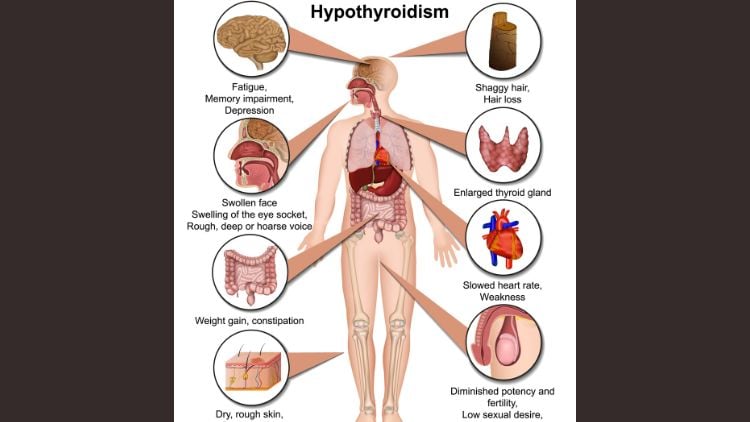
Hypothyroidism, also known as an underactive thyroid, occurs when the thyroid gland does not make enough thyroid hormones. These hormones help regulate metabolism, body temperature, heart rate, energy levels, and many other important body functions.
When thyroid hormone levels are too low, the body begins to slow down. Common symptoms include:
- Fatigue
- Weight gain
- Constipation
- Dry skin
- Hair loss
- Feeling cold more easily
- Depression
- Slow heart rate
Without enough thyroid hormone, many people feel tired and sluggish. Levothyroxine replaces the missing hormone and helps keep these symptoms under control.
Why is the medication being recalled?
The recalled medication is levothyroxine sodium, a synthetic version of the thyroid hormone thyroxine (T4). It is commonly prescribed to people with hypothyroidism, a condition in which the thyroid gland does not produce enough hormones. The medication is also used as part of treatment for some people with thyroid cancer.
The recall was issued after routine stability testing showed that certain lots of levothyroxine sodium tablets were subpotent, meaning they contained less medication than they were supposed to.
According to Major Pharmaceuticals, the problem was discovered during routine quality testing that measures how much active medication is actually inside each tablet. Although the company said the recalled tablets are not likely to cause serious health problems, they were voluntarily recalled to help prevent any potential harm to patients.
The affected tablets were manufactured by Lupin Pharmaceuticals, Inc. and distributed by Major Pharmaceuticals and Cardinal Health.
Which products are affected?
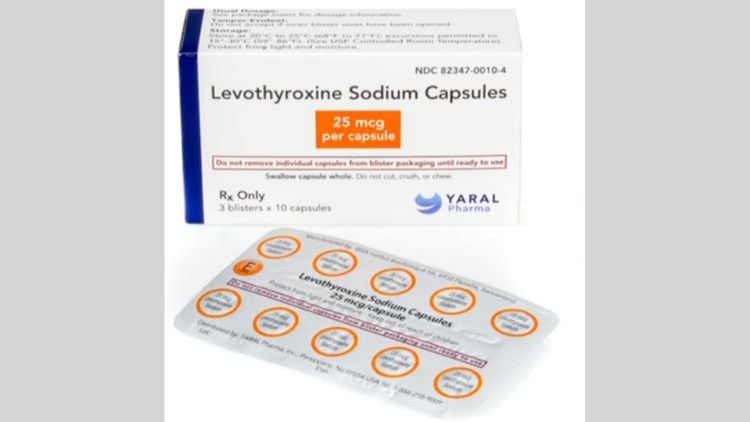
The recall includes 12 products in strengths ranging from 25 micrograms (mcg) to 150 mcg.
The affected doses include:
- 25 mcg
- 0 mcg
- 75 mcg (multiple lots)
- 88 mcg
- 112 mcg
- 125 mcg
- 150 mcg
Some of the recalled products were packaged by Major Pharmaceuticals, while others were distributed by Cardinal Health under different package numbers. The affected tablets were shipped beginning January 22, 2025, and some have expiration dates extending into January 2027.
How can you tell if your medication is recalled?
Most pharmacies remove tablets from the manufacturer’s packaging and place them into their own prescription bottles. Because of this, the recall information usually does not appear on your prescription label.
If you take levothyroxine and want to know whether your medication is included in the recall:
- Call the pharmacy where you filled your prescription
- Ask for the manufacturer, National Drug Code (NDC) and lot number of your medication
- Compare that information with the FDA recall list
Should you stop taking your medication?
No. Health experts say patients should not stop taking levothyroxine without first speaking with their doctor or pharmacist.
The FDA notes that suddenly stopping an important prescription medication may be more harmful than continuing to take it while discussing the recall with a healthcare provider.
Because the tablets may contain a slightly lower dose than expected, some patients could experience symptoms of low thyroid hormone if they take the recalled medication for an extended period.
Possible symptoms include:
- Fatigue
- Weight gain
- Constipation
- Hair loss
However, doctors say the chance of lasting harm is low because thyroid patients usually have routine blood tests that monitor hormone levels.
Dr. David Cutler, a family medicine physician at Providence Saint John’s Health Center in California, told Healthline that patients who are concerned can simply ask their doctor to check their thyroid hormone levels through a blood test.
Who needs levothyroxine?
Levothyroxine is one of the most commonly prescribed medications in the United States.
Doctors prescribe it to:
- People with hypothyroidism to replace missing thyroid hormone
- Some patients with thyroid cancer, where it is used after surgery and radioactive iodine treatment to suppress thyroid-stimulating hormone (TSH)
Children and adults can both take the medication.
Because thyroid hormone levels can change over time, doctors generally monitor patients with blood tests every three to six months to make sure the dosage remains correct.
Are pharmacies notifying patients?
No. The recall is considered a retail-level recall, meaning pharmacies and distributors are instructed to remove the affected products from their shelves. They are not required to contact patients who already received the medication.
Some state pharmacy boards have notified pharmacies about the recall. For example, the California State Board of Pharmacy encouraged pharmacies to review their recall procedures and quality assurance programs to ensure affected products are removed.
Have there been similar recalls before?
Yes. Levothyroxine has experienced potency-related recalls in the past.
Before the medication required formal FDA approval, the agency documented multiple recalls during the 1990s because of problems involving potency and stability.
In 1997, the FDA began requiring manufacturers to obtain formal approval before selling levothyroxine products in an effort to improve consistency and quality.
More recently, in June 2025, the FDA classified another Class II recall after Accord Healthcare recalled more than 82,000 bottles of 25 mcg levothyroxine tablets because they were also found to be subpotent.
Health experts say these recalls demonstrate that routine quality testing is working as intended by identifying problems before they become widespread.
Anyone taking levothyroxine who has questions about the recall should contact their pharmacist or healthcare provider before making any changes to their medication.